
Wild at Sea: The Rathlin Island crossing
There are moments in life when you make a decision that seems perfectly reasonable at the time, and it is only later, preferably when you are clinging to something cold, wet and questionably stable, that you begin to wonder whether your inner sense of adventure should perhaps come with adult supervision.
The boat to Rathlin Island was one of those moments.
I was living in Northern Ireland at the time, still at the beginning of my wanderlust years, still fresh enough to believe that going somewhere simply because it sounded wild and beautiful was a perfectly complete plan. Rathlin Island sat there off the coast like a promise, remote and rugged, surrounded by the kind of sea that already looked dramatic from a safe distance, which of course made it even more appealing.
A sensible person might have looked at the weather and thought, maybe not today. I looked at the weather and thought, well, this should be interesting.
This, I have since learned, is how many good stories begin and how many insurance companies lose faith in humanity. I set off with two fellow students. The first mistake was thinking that having a boat all to ourselves meant we had somehow upgraded the adventure.
In normal life, an empty boat might suggest luxury and the privacy for a peaceful crossing with space to stretch your legs. In Northern Ireland, it probably meant everyone else had looked at the weather, made a sensible decision, and stayed on land.
We were students, which is another way of saying we had very little money, a flexible understanding of danger and the kind of confidence that only exists before your frontal lobe has fully developed.
Rathlin Island had been sitting there in the distance like a dare.
I had seen it from the coast, remote and rugged, wrapped in mist and surrounded by sea, and something about it had immediately started whispering to the more questionable parts of my personality. The island looked wild in the old-fashioned sense of the word, the kind of wild that does not come with a gift shop, safety railing or a nice little café where you can process your feelings afterwards.
Naturally, I wanted to go.
The sensible option would have been the ferry, but it was cancelled on the very day we were planning to go, a detail we somehow failed to recognise as the universe waving a very large warning flag. So instead, we found a local fisherman with a small boat and the relaxed expression of a man who had spent his entire life watching the sea misbehave.
“Can you take us across?” we asked. He looked at us, looked at the sky, looked at the water, and somehow decided that yes, transporting three overexcited students across the Atlantic-adjacent mood swing was a perfectly acceptable way to spend the day.
So off we went. Just us, the fisherman, the boat and a stretch of water that, on the way there, behaved well enough to give us a false sense of competence.
That is the dangerous thing about adventure. It rarely announces itself properly at the beginning. It does not always arrive with thunder, dramatic music and a warning sign. Sometimes it begins with a small boat, a grey horizon and you thinking, well, this is going nicely.
Rathlin itself felt like another world. There were cliffs, wind, seabirds and that particular island silence that is never truly quiet but filled with wings, waves and things you cannot quite name. We walked along the rugged edges of the island with our jackets snapping in the wind, searching for puffins as if we were on a very important wildlife mission and not just three students who had accidentally turned a weekend escape into a low-budget nature documentary.
And then the weather changed. The storm rolled in with the confidence of something that had no interest in our academic schedule. The sea turned rough, the sky darkened, and suddenly Rathlin Island was no longer just remote and charming but remote and very committed to keeping us there.
For two days, we were stranded. The hostel was basic but warm, which at that age still felt like luxury as long as there was a roof, a bed and the vague hope of getting back before anyone noticed we were missing from class.
When the weather eased just enough to create the illusion of possibility, we returned to the harbour. The fisherman was there, standing with the expression of a man who had already had this conversation in his head and lost.
“You really want to go back today?”
We nodded.
He looked out at the water.
The water looked back like a villain.
There was a pause, the kind of pause in which grown adults are supposed to reconsider their choices. We did not reconsider. We had lectures. Apparently, this explained everything.
The fisherman sighed in the deep, tired way of someone who knows young people are impossible to save from themselves, then helped us into the boat.
The sea, which had merely been theatrical on the way there, had clearly been rehearsing.
Almost immediately, the boat started climbing and dropping over waves with the enthusiasm of a fairground ride designed by someone with a grudge. Water slammed over the sides, the horizon vanished and reappeared, and my two friends began turning a shade of green that did not exist in nature outside of very ill frogs.
One of them groaned. The other made a sound that suggested her soul was quietly preparing paperwork to leave her body.
And I, because apparently there has always been something slightly wrong with me, was having the time of my life. Not in a calm, elegant way. I was not standing there like a brave heroine gazing into the storm with poetic dignity. I was wet, windblown, probably ridiculous, gripping the side of the boat while grinning into the chaos as if I had just discovered my favourite setting in life was “mildly unsafe but visually spectacular”.
The waves kept coming.
The boat lurched.
My friends suffered.
I took photos.
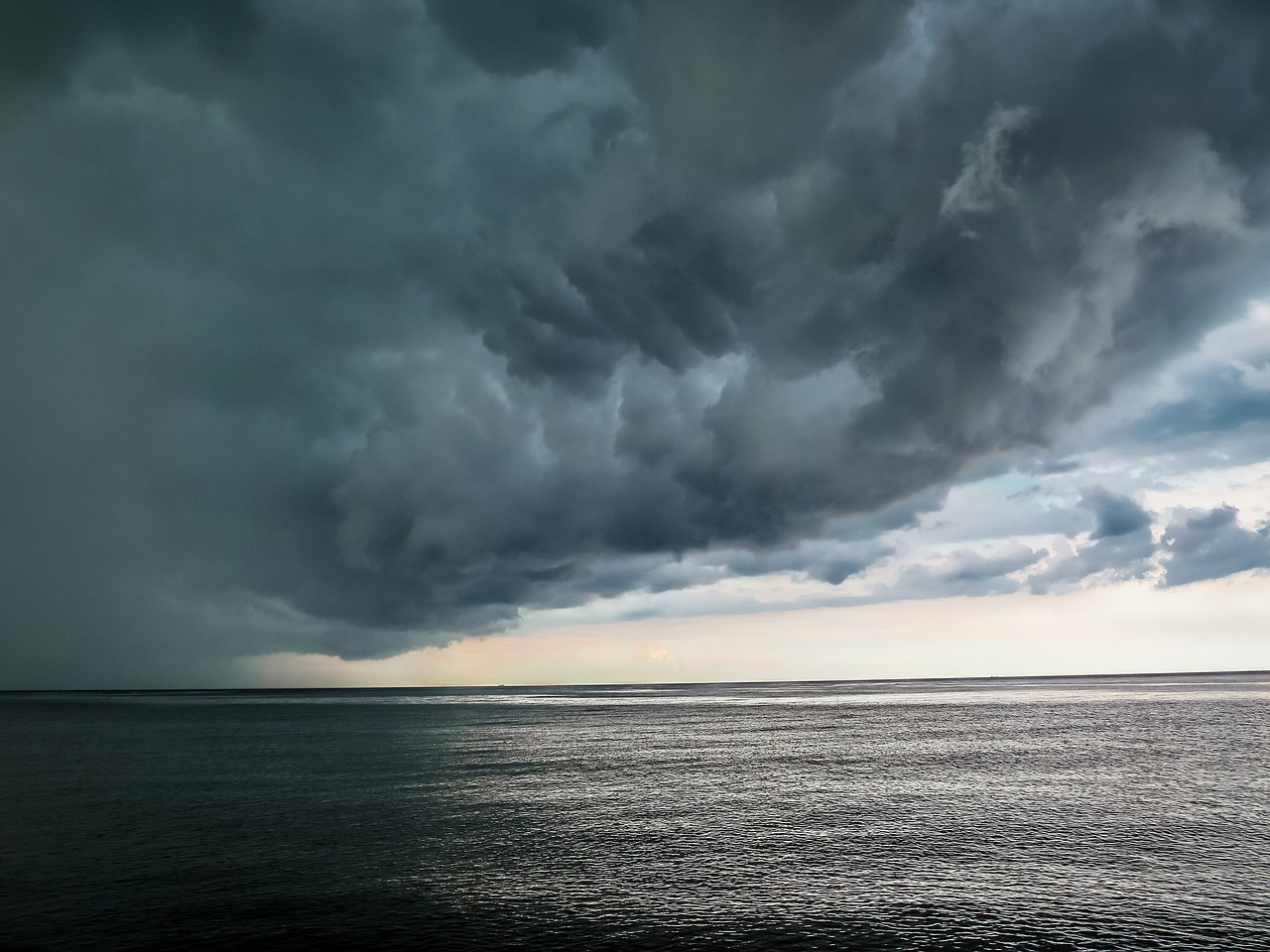

This, in hindsight, may not have been my most compassionate moment.
At one point, one of my friends was violently sick, and before the evidence could make a clean exit into the ocean, a wave crashed over the side and redistributed the situation across the deck with deeply unnecessary creativity.
Suddenly we were not just fighting the sea. We were fighting physics, nausea and a moving floor decorated with a substance nobody wanted to identify too closely.
The whole crossing became a ridiculous ballet of slipping, grabbing, ducking, gagging and trying not to fall into anything unpleasant.
The fisherman, meanwhile, steered through it all with the grim patience of a man who had warned us and was now entitled to emotional distance.
By the time we reached the harbour again, we looked as if the sea had taken us personally.
My friends stepped off pale, damp and spiritually older. I stepped off buzzing with adrenaline, clutching my camera like I had just returned from a heroic expedition rather than a questionable transport decision.
“Never again,” one of them muttered.
“But unforgettable,” I said.
She looked at me with the flat, exhausted stare of someone who had not yet reached the stage where trauma becomes anecdote.
And she was right, of course. It was absurd. It was uncomfortable. It smelled terrible. It was not remotely sensible.
But it was also one of those moments that quietly teaches you something about yourself before you are old enough to understand the lesson.
Somewhere on that wild little boat, between the waves, the laughter, the vomiting and the fisherman’s silent judgment, I realised that I did not only want to see the world when it was pretty and calm and behaving itself.
I wanted the weather to turn.
I wanted the wild story.