
Wild dive in the Great Barrier Reef
After weeks of red dust, ancient rocks, crocodile warnings, overheated hikes and the kind of Outback roads that rearrange your spine one pothole at a time, arriving in Cairns felt like stepping out of fire and into water.
The Red Centre was still clinging to us in every possible way. There was dust in our shoes, dust in the camper, dust in places where dust had no business being, and my mind was still filled with desert silence, endless horizons and the faint suspicion that every public toilet in Australia came with its own wildlife risk assessment.
Then suddenly, there was the Coral Sea. Blue. Soft. Endless. It felt almost too gentle after the Outback, although by then I should have known better than to trust Australia whenever it looked harmless.
Cairns wrapped itself around us in humid heat, all salt air, palm trees, frangipani and that tropical heaviness that makes your skin shine before you have even done anything ambitious. The ocean looked impossibly inviting, but, naturally, there were reasons not to throw yourself into it without thinking like stingers and saltwater crocodiles. Those creatures are cheerful little reminders that in Australia paradise often comes with a warning sign and a first-aid box.
Still, the Great Barrier Reef was waiting. And I had been waiting for that moment for years.
I had dived once before, in Costa Rica, in a rough, dark ocean where the water felt more like ink than invitation thanks to rain and some heavy winds. That first dive had left me with a tiny shadow of fear, the memory of descending into a moving, unfamiliar world where everything depended on trust: trust in the equipment, trust in the instructor, trust in your own breathing, which is much harder than it sounds when your brain suddenly remembers that humans are not fish.
But this was different. This was Australia with a dream of a gorgeous reef.
The instructor smiled and said the magic words: “No worries. Great visibility today.”
After about ninety minutes sailing out to the Outer Reef, the coastline disappeared behind us and we were surrounded by nothing but blue. Not ordinary blue, but that deep, shining, tropical blue that makes you feel as if the world has been freshly painted and nobody has touched it yet.
Before the dive, we snorkelled over coral gardens that looked almost unreal beneath the surface. Fish flashed below us in impossible colours, moving through the reef like confetti with fins. There were yellows, blues, stripes, spots, tiny quick ones, slow curious ones, and coral structures that twisted and bloomed like underwater architecture designed by someone with a very wild imagination.
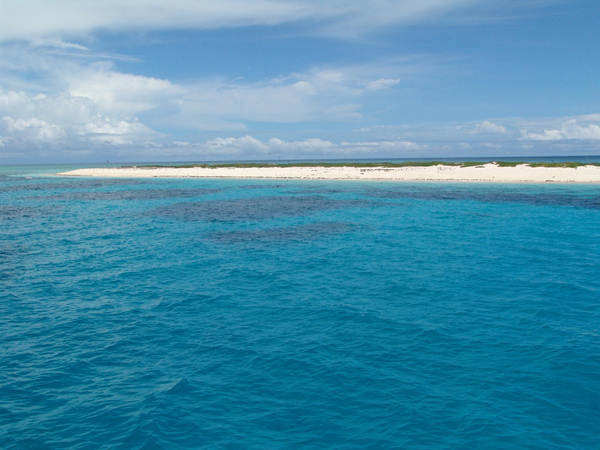
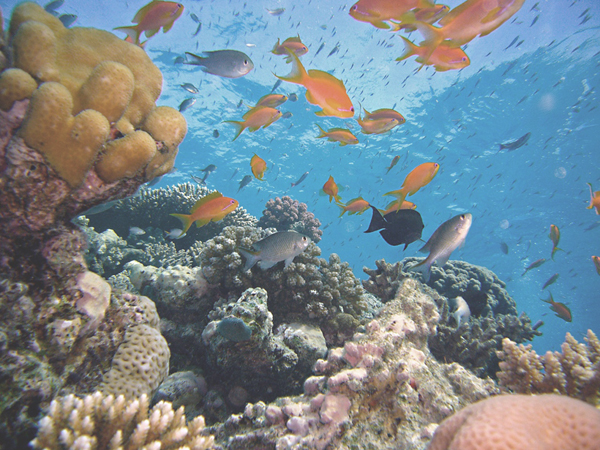
It was peaceful in a way that felt almost sacred. Then it was time to dive.
The nervous flutter returned as I adjusted my mask and stood at the edge of the boat. Diving is a strange kind of surrender. One moment you are above the world, sun on your shoulders, air all around you. The next, you fall backwards into the blue and agree, quite seriously, to trust a small piece of equipment with your life.
So I took one breath. And in we went.
The descent was slow. Equalise. Breathe. Sink a little. Equalise again. Breathe again. The boat sounds faded. The surface grew distant. The world softened into bubbles and filtered light.
And then the reef opened beneath us and I forgot to be afraid. There we were, floating in a living city of coral, surrounded by creatures so colourful they looked invented. The silence was not empty. It was full of movement. Full of life. Full of tiny dramas happening all around us in complete indifference to our presence.
The instructor pointed things out with calm little hand signals, most of which seemed to mean either look at this or absolutely do not touch that, which, honestly, is a useful summary of most wildlife experiences in Australia.
I floated along, wide-eyed and reverent, feeling weightless, enchanted and deeply aware that this was one of those rare moments travel gives you when you know, even while it is happening, that a part of you will keep returning to it for years.
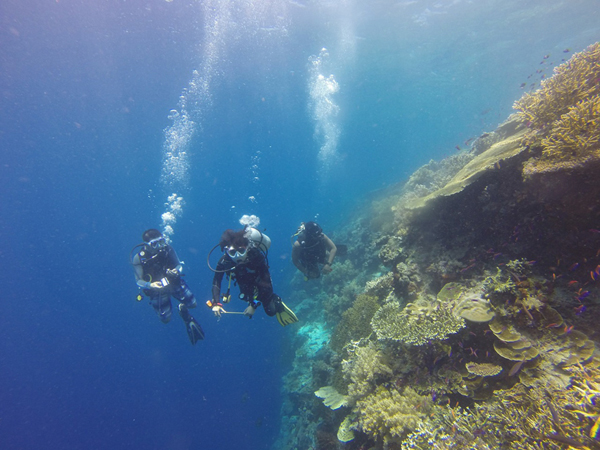
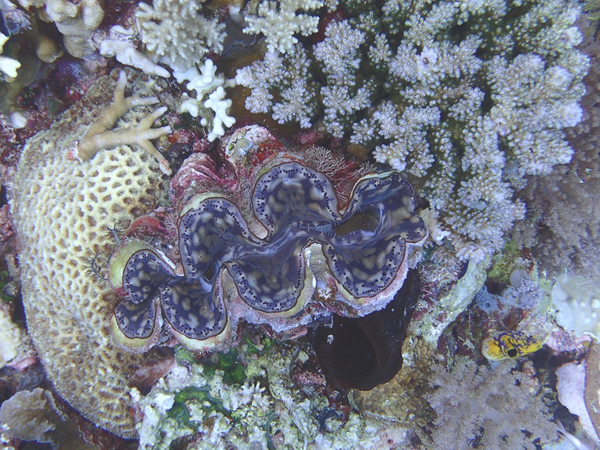
Then came the clam. It was enormous, purple, fleshy, magnificent and absurd. It was the size of a carry-on suitcase, sitting there like some kind of underwater sofa cushion with a pulse. The instructor gestured that I could touch it.
So I did. The clam moved in full, ridiculous, underwater wobble. It felt like pressing into a warm jelly mattress from another planet.
And I burst out laughing.
Out loud.
Underwater.
This, I do not recommend.
My laughter exploded into a wild burst of bubbles, and in one horrible second, my regulator popped out of my mouth.
My body immediately forgot every sensible diving instruction I had ever been given. I sucked in seawater. My hands shot up. My brain screamed air, surface, now, go, go, go, while some distant, rational part of me tried to remind the rest of me that shooting up from twenty metres underwater was a terrible idea unless I wanted my lungs to stage an emergency exit.
The instructor moved faster than my panic. He grabbed me firmly, stopped me from launching myself upwards like a distressed cork, and shoved the regulator back into my mouth. Then he locked eyes with me and gestured slowly.
Blow.
Breathe.
Again.
I coughed.
I wheezed.
I puffed like a panicked little dragon trying to expel seawater, shame and poor decision-making all at once.
And then, suddenly, it worked. Air. Actual air. Slightly salty, slightly panic-flavoured, but air.
The instructor gave me the underwater version of “Are you okay?”
I nodded, eyes wide, dignity somewhere behind me on the seabed. Tom was looking at me through his mask with the kind of expression that said he almost witnessed me dying. But here is the strange thing. Once the panic passed, the magic returned.
We kept diving.
The reef was still there, glowing and alive, utterly unimpressed by my little human drama. Parrotfish shimmered past like living rainbows. Clownfish darted in and out of anemones like they had been expecting us. The coral kept breathing its slow, ancient life beneath the water, as if to say: yes, yes, almost drowned, very dramatic, now keep looking.
So I did. More carefully this time and definitely without laughing.
Later, back on the boat, wrapped in warmth with a slice of cake in my hand, I sat quietly and let the whole experience settle into me. The fear, the beauty, the absurdity of almost drowning because a giant clam wobbled in a funny way.
That dive taught me something I probably already knew: wild places can be breathtaking. They can be healing, humbling, hilarious and holy but they are not there to keep you comfortable, and they are definitely not responsible for your bad timing, poor impulse control or inability to laugh safely through a regulator.
The Great Barrier Reef had given me one of the most magical experiences of my life.
It had also given me a very clear instruction.
Breathe first.
Laugh later.

EBOOKS
In “Cats & Coconut Oil in Costa Rica”, I shared my story of spending years torn between wanderlust, animal welfare work, fibromyalgia and the growing feeling that the life I had built was slowly draining the joy out of me.
In Under The Trees in Costa Rica, I take you far beyond the dreamy Instagram fantasy of moving abroad and into the wonderfully chaotic reality that followed after I decided to stay and build a home in one of the most authentic, least touristy corners of Costa Rica.
With humour, honesty and the occasional emotional meltdown, this book is a story about rebuilding, unexpected friendships and finding peace in the middle of absolute tropical chaos. Because sometimes the dream life does not arrive looking polished and peaceful. Sometimes it arrives covered in red dust, carrying a machete and a battalion of ants;